
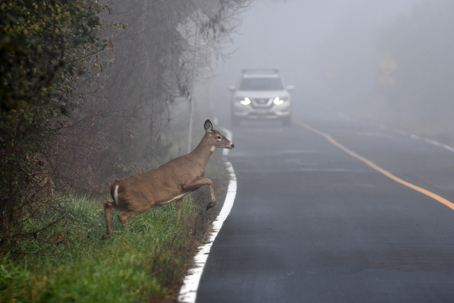
Driving through the rural roads surrounding Sioux Falls can be especially beautiful during the fall. As leaves begin to change and harvest season gets underway, many drivers enjoy scenic routes throughout the region. However, October also marks a time when deer activity increases significantly, creating additional hazards for motorists. Encounters with wildlife can happen in an instant, leaving drivers with damaged vehicles, injuries, and plenty of questions about what comes next.
One of the most common concerns after a deer collision is whether an insurance claim can be filed. While every situation is unique, understanding how these incidents are generally handled can help you make informed decisions if you find yourself facing the unexpected.
Understanding Deer Collisions and Insurance Claims
Unlike crashes involving another driver, deer collisions usually do not involve another person who may be legally responsible for the damages. Instead, these incidents are generally considered single-vehicle crashes caused by an unexpected roadway hazard.
Whether your vehicle damage is covered often depends on the type of insurance coverage you carry. Many drivers find that comprehensive coverage may apply to damage caused by striking an animal. Liability insurance, on the other hand, typically does not cover damage to your own vehicle after a deer collision.
Because every insurance policy is different, reviewing your coverage and speaking with your insurance provider can help clarify what benefits may be available. If your claim becomes complicated or is denied unexpectedly, seeking legal guidance may also be appropriate.
Why Deer Are More Active During October
Many people notice an increase in deer sightings during the fall months. October is a particularly active time because deer begin moving more frequently as seasonal behaviors change. Shorter daylight hours also mean more people are driving during dawn and dusk, when deer are most active.
Rural highways and county roads outside Sioux Falls often pass through wooded areas, farmland, and open fields where wildlife crossings are common. Even drivers who regularly travel these routes can encounter deer with little warning.
Although wildlife warning signs indicate areas where deer are commonly seen, animals do not always cross where drivers expect them to. Remaining alert throughout your trip is one of the best ways to reduce your risk.
What to Do After Hitting a Deer
A collision with a deer can be frightening, especially if airbags deploy or your vehicle is no longer safe to drive. Taking a few important steps afterward may help protect both your safety and any future insurance claim.
If possible:
- Move your vehicle to a safe location away from traffic.
- Check yourself and any passengers for injuries.
- Contact local law enforcement if necessary.
- Avoid approaching an injured deer, as frightened animals may react unpredictably.
- Take photographs of your vehicle, the roadway, and any visible damage.
- Document the date, time, and location of the collision.
- Notify your insurance company promptly.
If anyone is injured, seeking medical attention should always be a priority, even if injuries seem minor at first. Some injuries may not become noticeable for hours or days.
Can You Recover Compensation for Injuries?
Although another driver may not be involved, injuries from a deer collision can still lead to significant medical expenses, missed work, and ongoing treatment.
Depending on your insurance policy, certain coverages may help pay for medical costs or other losses. Some drivers also have optional coverages that provide additional protection after wildlife-related crashes.
If your insurance company disputes your claim or questions the extent of your injuries, the process can quickly become more stressful than expected. Understanding your rights and available options is important when significant damages are involved.
What if Swerving Causes a Different Collision?
Sometimes drivers instinctively swerve to avoid hitting a deer. Unfortunately, this reaction can occasionally lead to more serious crashes involving other vehicles, utility poles, guardrails, or rollovers.
When another vehicle becomes involved, determining fault may become more complicated. Insurance companies may examine several factors, including:
- Road conditions
- Vehicle speed
- Driver reactions
- Visibility
- Actions taken immediately before the collision
Each accident presents unique circumstances, making it important to carefully investigate what occurred before reaching conclusions.
Challenges That Can Arise During the Claims Process
Even when a collision clearly involves wildlife, insurance claims do not always proceed smoothly. Drivers sometimes encounter issues such as:
- Questions about the cause of the damage
- Disagreements over repair estimates
- Delays in claim processing
- Disputes regarding vehicle value
- Denials based on policy interpretations
Keeping detailed records throughout the claims process can be extremely helpful. Save copies of repair estimates, medical records, photographs, receipts, and all communication with your insurance company.
If you believe your claim is being handled unfairly, speaking with an attorney may provide additional clarity regarding your options.
Driving Carefully During Deer Season
While no driver can completely eliminate the risk of encountering wildlife, a few defensive driving habits may help reduce it.
Stay especially alert when driving near wooded areas, fields, and river corridors. Use high beams when it's safe and appropriate, giving yourself more time to spot animals ahead. If you see one deer, remember that others may be nearby. Slowing down and remaining attentive can make a significant difference.
Most importantly, avoid distractions while driving. Keeping your focus on the road allows you to react more quickly if wildlife suddenly appears.
Contact King Law Firm After a Deer Collision
A collision with a deer can leave you dealing with vehicle damage, medical concerns, and uncertainty about the insurance claims process. If you have questions about your rights after a crash or are experiencing difficulties with an insurance claim, legal guidance may help you better understand your options.
The team at King Law Firm is committed to helping individuals navigate complex injury and insurance matters with compassion and personalized attention. Contact King Law Firm today at (605) 250-3209 to discuss your situation and learn how we may assist you.