
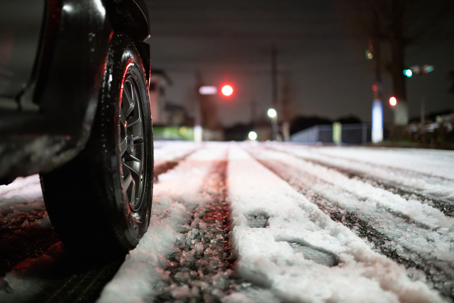
Winter driving is part of life in Sioux Falls. Snow-covered streets, icy intersections, and freezing temperatures can make even familiar roads more challenging to navigate. While many drivers take extra precautions during the winter months, crashes still happen every year when weather conditions change unexpectedly.
After a collision, one question often comes up almost immediately: Who is at fault? Many people assume that snow or ice automatically excuses a driver from responsibility. In reality, determining fault after a winter weather crash is often more complex. Weather can contribute to an accident, but drivers are still expected to operate their vehicles safely in the conditions they encounter.
Understanding how fault is evaluated after a snow or ice-related collision can help you better navigate the aftermath if you’re involved in a winter crash.
Poor Weather Does Not Automatically Eliminate Responsibility
Snow and ice create hazardous driving conditions, but they are generally considered environmental factors rather than direct causes of crashes. Investigators and insurance companies typically look beyond the weather itself to determine whether a driver acted reasonably under the circumstances.
Every motorist has a responsibility to adjust their driving when roads become slippery. This may include reducing speed, increasing following distance, braking earlier, and remaining alert for changing road conditions.
If a driver fails to adapt to winter weather and causes a collision, they may still be found responsible even if snow or ice played a role.
How Fault Is Determined After a Winter Collision
Every crash is unique, and determining fault often requires examining multiple pieces of evidence rather than relying on a single factor.
Investigators may evaluate:
- Road and weather conditions at the time of the crash
- Vehicle speeds
- Tire marks and points of impact
- Damage to the vehicles involved
- Driver statements
- Witness accounts
- Police reports
- Available traffic or surveillance footage
Rather than asking whether the roads were icy, the question often becomes whether each driver exercised reasonable care under those conditions.
Following Too Closely Can Become More Dangerous
One of the most common causes of winter crashes is following another vehicle too closely. Snow and ice significantly increase stopping distances, making it harder to avoid rear-end collisions.
Drivers who leave adequate space during dry conditions may need considerably more distance when roads become slick. If a vehicle slides into another because it was following too closely for the weather, fault may still rest with the driver who was unable to stop safely.
Allowing additional following distance gives drivers more time to react if traffic slows unexpectedly.
Speed Matters Even Below the Posted Limit
Many people believe they are driving safely simply because they are traveling below the posted speed limit. However, safe driving depends on road conditions as much as the speed limit itself.
A road covered with packed snow or black ice may require drivers to travel significantly slower than usual. Even moderate speeds can become unsafe when traction is reduced.
Investigators often consider whether a driver’s speed was reasonable given the weather rather than whether they were technically exceeding the posted limit.
Intersections Present Additional Risks
Winter conditions often make intersections especially hazardous. Vehicles may slide while attempting to stop, making it more difficult to yield or obey traffic signals.
Drivers approaching intersections should begin slowing earlier than usual and avoid sudden braking whenever possible. Even with careful driving, slippery pavement can reduce control.
When crashes occur at intersections, investigators may examine:
- Which driver had the right-of-way
- Traffic signal timing
- Visibility
- Vehicle speeds
- Driver reactions before impact
Snow-covered roads do not automatically change traffic laws, and drivers are still expected to obey signals and signs while exercising caution.
Black Ice Can Complicate an Investigation
Black ice is particularly dangerous because it can be difficult to detect before a vehicle loses traction. It often forms on bridges, overpasses, shaded roadways, and untreated pavement.
Although black ice may contribute to a crash, investigators still examine how drivers responded before losing control. Factors such as speed, braking, steering, and overall attentiveness may all influence the determination of fault.
Each situation requires a careful review of the available evidence rather than assumptions based solely on weather conditions.
Why Documentation Is Important
If you’re involved in a winter collision, gathering information can be valuable for both insurance claims and any legal issues that may arise later.
When it is safe to do so, consider documenting:
- Photos of road conditions
- Snow or ice accumulation
- Vehicle damage
- Traffic signs and signals
- Weather conditions
- The location of the collision
It is also helpful to exchange information with the other driver and, if possible, obtain contact information from any witnesses.
Seeking medical attention promptly is equally important. Some injuries may not become apparent until hours or even days after the crash.
Insurance Companies May View Winter Crashes Differently
Insurance adjusters often conduct detailed investigations after winter collisions because the weather introduces additional variables. They may review accident reports, repair estimates, photographs, weather records, and witness statements before making liability decisions.
Disagreements can sometimes arise over how the collision occurred or whether a driver acted reasonably under the conditions. When injuries or significant property damage are involved, these disputes can become increasingly complex.
Understanding your rights during the claims process can help ensure your concerns are fully considered.
Staying Safe During Sioux Falls Winters
Although no one can control the weather, drivers can take steps to reduce their risk of a winter crash.
Preparing your vehicle before winter, maintaining proper tire condition, allowing extra travel time, and reducing speed during storms can all contribute to safer travel. Remaining patient and avoiding sudden steering or braking movements can also improve vehicle control on slippery roads.
Winter weather demands extra attention from every driver, and cautious driving benefits everyone sharing the road.
Contact King Law Firm After a Winter Car Crash
Determining fault after a snow or ice-related collision is not always straightforward. If you’ve been injured in a winter crash or are facing challenges with an insurance claim, understanding your legal options can make an important difference.
At King Law Firm, we understand the unique challenges winter driving conditions pose for Sioux Falls drivers. If you have questions about your accident or would like guidance regarding your potential claim, contact King Law Firm today at (605) 250-3209. Our team is here to help you move forward with confidence.